For German Shepherd breeders
Built for German Shepherd breeders
German Shepherd buyers do not all want the same dog, and most breeder websites talk as if they do. One buyer wants a working-line dog with the drive for IGP sport. Another wants a companion with a level temperament and nothing to do with protection work. A third found a photo of a long-coated dog online and does not know that coat is a standard fault, not a different breed. A site that sorts these buyers instead of talking past all of them wins the inquiry. This platform builds that site and keeps it working between litters.
Who's searching for your German Shepherd
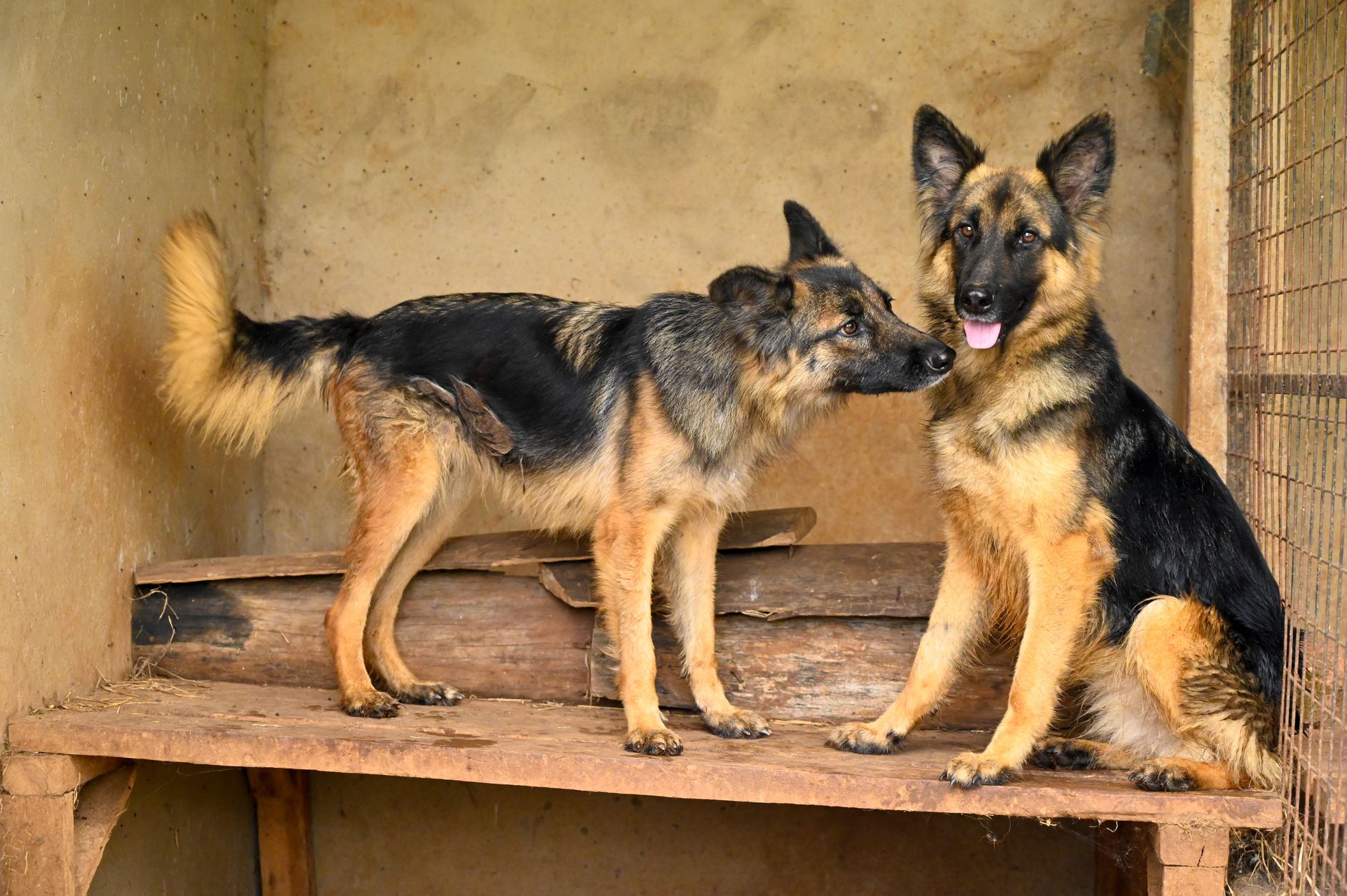
German Shepherd buyers search by line (working line, West German show line, DDR or Czech working line), by coat and color (long coat, plush coat, sable, black, panda), and by purpose (family companion, protection, herding, IGP sport), almost always paired with a location. The generic breed term is dominated by marketplaces and general-interest content, so the buyer worth answering is the one typing something more specific.
Buyer behavior we design for
- ✓Names a line, working, show, DDR, or Czech, before asking about anything else
- ✓Searches long-haired or plush coat German Shepherd, often without knowing it is a coat fault, not a different dog
- ✓Asks for hip, elbow, and degenerative myelopathy results before price
- ✓States a purpose up front: family companion, protection, herding, or sport work
Where most German Shepherd breeder sites fail
- ×Line, coat, and purpose searches go unanswered on most kennel sites, so buyers cannot tell what they would actually be buying
- ×Hip, elbow, and DM results are the biggest trust signal in the breed and are rarely published with a date
- ×The breed's popularity means the generic search results are owned by marketplaces and volume breeders, so a documented program has to work harder to be found
Line is the first question, and most sites never answer it
Ask a serious German Shepherd buyer what they want and the first word out of their mouth is usually a line, not a color. Working line, West German show line, DDR or East German line, Czech line: the breed's history split it into distinct breeding traditions with different structure, drive, and temperament, and a buyer who has done any homework already knows which one they are shopping for. A site that only says "German Shepherd puppies for sale" gives that buyer nothing to confirm they are in the right place, so they bounce to a kennel that names its lines plainly.
This is exactly the kind of fragmented, high-intent search that a generic breeder page cannot catch. The content engine builds pages around the specific terms buyers actually type, line, purpose, and region together, so the buyer searching a West German show line breeder in their state finds you instead of a marketplace listing that cannot answer the question at all. It is the same long-tail logic covered in our note on long tail keywords as a breeder cheat code, applied to a breed where the vocabulary is unusually specific.
Hips, elbows, and a result that needs a date on it
Health testing in this breed runs through two systems, and a serious buyer has usually heard of both. The OFA's CHIC program for German Shepherd Dogs centers on hip and elbow evaluation plus a recognized temperament test, and hips and elbows cannot be given a final OFA rating until the dog is 24 months old, because the joints are not done growing before then. Separately, the GSDCA-WDA runs an "a-stamp" hip and elbow evaluation program in conjunction with Germany's SV, built to sit alongside the OFA program rather than replace it, which is why you will see breeders reference both.
Degenerative myelopathy is the other result buyers now ask about. The disease is linked to a mutation in the SOD1 gene, and German Shepherds are one of the breeds where that mutation is well documented in the research, tested through labs including UC Davis's Veterinary Genetics Laboratory. The honest caveat worth stating on your own site: a homozygous "at-risk" result is not itself a diagnosis, since the mutation is incompletely penetrant and many at-risk dogs never develop the disease. Buyers who have researched DM already know this, and a breeder who states it accurately reads as more credible than one who either ignores the test or oversells what it means. Every dog's profile carries these results as structured data with a visible date, which is what turns a scanned certificate into something a stranger can actually verify. Our glossary entry on OFA explains the registry to buyers meeting it for the first time.
The coat question nobody explains correctly
A large share of German Shepherd color and coat searches come from buyers who do not know they are asking about a standard fault. The official AKC breed standard says most colors are permissible and strong, rich colors are preferred, but pale or washed-out colors and blue or liver are serious faults, and a white dog must be disqualified outright. On coat, the standard calls for a double coat of medium length with a dense, straight, close-lying outer coat, and lists a soft, silky, too-long outer coat, along with a woolly, curly, or open coat, as faults.
That means the long-coated, plush-coated German Shepherd that a huge number of buyers search for by name is not a separate variety. It is a legitimate, often genetically confirmed German Shepherd carrying a coat that the conformation standard faults. Buyers rarely know this, and most breeder sites either do not mention it or get defensive about it. A page that explains the standard plainly, names what you breed, and says why, reads as expertise rather than a sales pitch, and it captures a real and steady stream of long-coat and plush-coat searches that a site with no coat content never sees at all.
Working titles are a real search, even for a companion breeder
German Shepherds are still worked, and a share of your buyers are shopping for a dog with the drive to do it. The United Schutzhund Clubs of America runs the IGP program that governs this in the US: a dog must first pass the BH, a temperament and companion-dog test, before it can compete for an IGP1 title, and the IGP trial itself runs three phases, tracking, obedience, and protection. Buyers hunting for a dog with working drive search this vocabulary directly, BH, IGP, working line, and a breeder page that never mentions it looks like it has nothing to offer them, even when the dogs would be a fine fit.
You do not have to compete in the sport to speak to it. Stating plainly whether your program breeds for working drive, for conformation, or for a level-tempered companion, and naming the titles behind your dogs if you have them, answers a question this breed's buyers ask more than almost any other. It also sorts the buyer who wants a protection-capable dog away from the one who wants a calm family pet, before either of them wastes your time on the phone.
Standing out when the breed is this popular
The German Shepherd has been one of the most popular breeds in the country for decades, and that popularity is exactly why the generic search results are so hard to break into. Marketplaces and volume breeders own the broad term, and no individual kennel outranks them for it head-on. The searches you can actually win are the specific ones: your line, your coat, your health testing, your region, stacked together into content a marketplace listing has no way to write.
The buyer pipeline and waitlist holds the buyers who find you through that content, moving them toward a deposit on automated follow-up instead of losing them to whichever kennel answers the phone first. Our notes on the deposit page and the FAQ page that answers objections cover what that site should say. Meanwhile the content and schema keep working in Texas, New York, Pennsylvania, and Ohio, so the next litter opens to buyers who already know what you breed and why. You can see where your own site stands today with the visibility report, and pricing sets out what the platform costs.
States where German Shepherd buyers are searching
See how the platform helps German Shepherd breeders rank in these regions.
Questions German Shepherd breeders ask us
Should my site explain the difference between working line and show line German Shepherds?
Yes. Line is usually the first thing a serious German Shepherd buyer wants to know, whether that is a working line, a West German show line, or a DDR or Czech line. Each carries different structure, drive, and temperament, and a buyer who already knows what they want will not stop to guess which one you breed. Naming your line plainly is one of the fastest trust signals in this breed.
What health testing actually matters to a serious German Shepherd buyer?
Hips and elbows, evaluated through OFA (final rating requires the dog to be 24 months old) or through the GSDCA-WDA's a-stamp program run with Germany's SV, and increasingly a degenerative myelopathy DNA result. DM is linked to the SOD1 gene and is well documented in this breed, though a homozygous at-risk result is not a diagnosis on its own. Publishing dated, verifiable results is what separates a documented program from a scanned certificate nobody can check.
A buyer asked about a long-haired or plush coat German Shepherd. Is that a real German Shepherd?
Yes, genetically. The AKC standard calls for a dense, straight, close-lying outer coat and lists a soft, silky, too-long, woolly, curly, or open coat as a fault, so a long-coated dog cannot win in conformation, but it is still a legitimate German Shepherd. A huge number of buyers search this term without knowing it describes a coat fault rather than a separate breed, which makes it a real opportunity for a page that explains it honestly.
Do I need to mention working titles like IGP if I only breed companions?
It is worth a sentence either way. A share of German Shepherd buyers are searching specifically for working drive, and the United Schutzhund Clubs of America's IGP program, which starts with a BH temperament test before a dog can trial for IGP1, is the vocabulary they use. Stating plainly that your program breeds for temperament and companionship rather than working drive sorts those buyers just as effectively as naming titles would for a working program.
How do I stand out when German Shepherd search results are dominated by marketplaces?
By being specific where marketplaces cannot be. No individual kennel outranks a marketplace for the generic term, but line, coat, health testing, and region stacked together are searches a marketplace listing has no way to answer. That is where the buyer close to a deposit is actually searching, and it is where a documented program wins.