For Sheepadoodle breeders
Built for Sheepadoodle breeders
Sheepadoodle buyers shop in specifics. Generation, size, and coat are all separate searches, and the buyer usually knows which combination they want before they ever contact a kennel. With no breed standard and no single parent club behind the cross, your website has to do the work a registry normally does: prove the health testing on both parent lines, explain what you breed and why, and hold a waitlist of serious buyers between litters. That is what this platform is built to do.
Who's searching for your Sheepadoodle
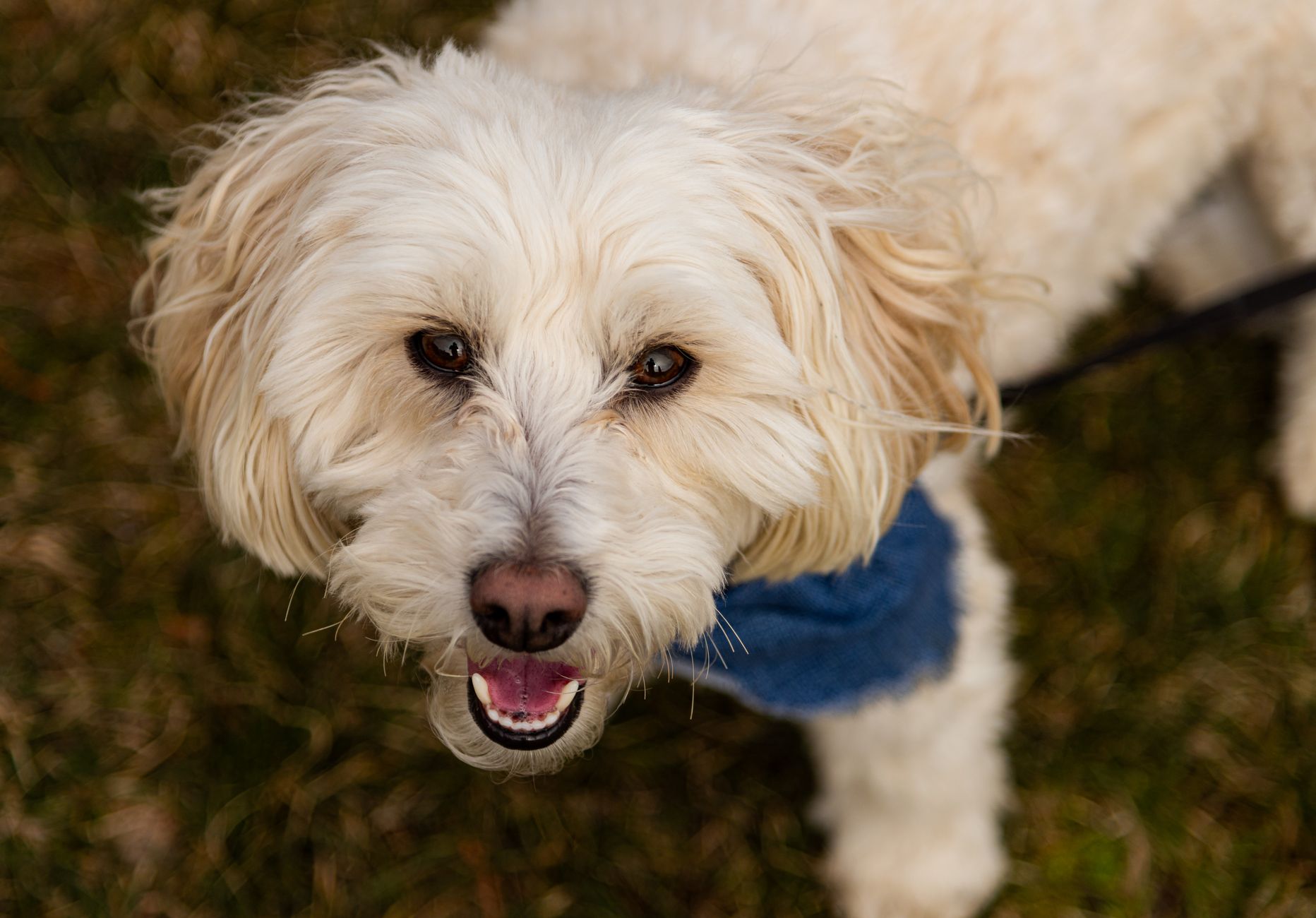
Sheepadoodle buyers search by generation (F1, F1B, F2), by size (standard sheepadoodles down to mini and toy lines bred from a smaller Poodle), and by coat, almost always alongside a location. Many are drawn to the breed's shaggy, low-shedding coat and easygoing temperament, and most expect a waitlist rather than a puppy available today. They screen breeders on health testing and honesty before price.
Buyer behavior we design for
- ✓Knows their preferred generation, F1 versus F1B versus F2, before reaching out
- ✓Shops by size, from standard Sheepadoodles down to mini and toy lines
- ✓Wants health clearances on both the Old English Sheepdog and the Poodle parent
- ✓Chose the cross for the low-shedding coat and calm, family-friendly temperament
Where most Sheepadoodle breeder sites fail
- ×Generation, size, and color queries go unanswered, so buyers bounce to a marketplace listing
- ×With no breed standard or single parent club, a thin site has nothing to vouch for it
- ×Health testing on both parent lines is done but never documented on the page
What a Sheepadoodle buyer is comparing before they reach you
Almost nobody searches for just a Sheepadoodle breeder. They search for an F1B mini Sheepadoodle, a standard Sheepadoodle, or a Sheepadoodle breeder within driving distance, and each of those is a buyer who is further along than the person typing the generic term. The Sheepadoodle is a cross of the Old English Sheepdog and the Poodle, and the buyer vocabulary around it has gotten specific: generation (F1, F1B, F2), size (standard Sheepadoodles bred from a Standard Poodle parent, down to mini and toy lines bred from a smaller Poodle), and coat. The head term sheepadoodle draws over 70,000 US searches a month, but that volume is mostly curiosity. The buyer worth answering is typing sheepadoodle breeders or mini sheepadoodle breeders, a much smaller, much higher-intent search that a generic site never catches.
That is exactly the content most doodle sites never build, because writing a page for every generation and size by hand is a part-time job. The content engine builds those pages for you, each structured so Google and AI systems can match it to the precise query, so your kennel catches the buyer searching an F1B mini in their state instead of losing them to a marketplace listing. It is the same long-tail approach our Bernedoodle and Cavapoo breeders use, applied to a cross with the same fragmented, high-intent demand.
Health testing on both sides of the cross
A Sheepadoodle inherits its health picture from two breeds, which means a responsible program tests both sides of the cross, and buyers who have done their homework know to ask. On the Old English Sheepdog side, the Old English Sheepdog Club of America requires hip evaluation by OFA or PennHIP, an eye exam by a boarded ACVO ophthalmologist, an autoimmune thyroiditis evaluation, and DNA tests for exercise-induced collapse and multiple drug sensitivity for CHIC certification, and strongly recommends a cardiac evaluation and a BAER hearing test for congenital deafness. On the Poodle side, the Poodle Club of America recommends hip evaluation through OFA or PennHIP, an annual eye exam by a board-certified ophthalmologist, and DNA testing for progressive retinal atrophy, with further screening for thyroid and heart in Standard Poodles. A Sheepadoodle breeder who can show clearances from both parent lines is doing something most cannot.
The problem on most doodle sites is not that the testing was skipped, it is that it was never put on the page. The platform structures health clearances into every dog's profile and marks them up as schema, so a careful buyer sees the hip, eye, thyroid, and DNA results for both the Old English Sheepdog and the Poodle parent at a glance, and the AI systems that increasingly answer buyer questions can cite them accurately. In a market crowded with sellers who claim hybrid vigor and document nothing, the breeder who documents both sides earns the trust and the deposit.
No breed standard, so your website is the standard
Here is the structural fact that shapes Sheepadoodle marketing: there is no breed standard and no single parent club to vouch for you. The cross is not recognized by the AKC, and neither the Old English Sheepdog Club of America nor the Poodle Club of America governs it, which means your website has to do the legitimacy work a parent club normally does for a purebred.
That sounds like a disadvantage, and for a thin site it is. For a well-built one it is an opening. The buyer cannot check you against a registry, so they read your site for proof instead: documented health testing, an honest explanation of what you breed and why, real photos, and a process that reads like a business rather than a Facebook page. A site that supplies that proof stands out precisely because so many doodle sellers do not. The same documentation-first approach wins the well-prepared buyers who research a Bernedoodle or Cavapoo before they commit, and it works just as hard for the Sheepadoodle.
Standing out in a crowded, fast-growing market
Sheepadoodle demand has grown fast, and the search results for the generic term are owned by directories and marketplaces, not by individual breeders. For a kennel, those are referral sources, not competitors you outrank head-on. The wins available to you are the specific searches, your generation and size plus your region, and the conversion of every buyer who lands on your own site.
Well-bred litters are usually spoken for before they are born, which makes the time between litters the most important marketing season you have. The platform captures interest year-round with a real waitlist and buyer pipeline, keeps the site publishing while the whelping box is empty, and shows up for buyers in doodle-heavy states like California, Texas, Pennsylvania, and New York. You can see where your own site stands today with the visibility report, and the pricing page lays out what running on the platform costs.
States where Sheepadoodle buyers are searching
See how the platform helps Sheepadoodle breeders rank in these regions.
Questions Sheepadoodle breeders ask us
Can the site rank for specific generations and sizes like F1B mini Sheepadoodles?
Yes. Instead of one generic Sheepadoodle page, the content engine writes pages for the generations and sizes buyers actually search, such as an F1B mini or a standard Sheepadoodle, each structured for Google and AI citation so a buyer searching a specific combination finds you.
How do I show health testing for a crossbreed?
On every dog's profile, structured as schema, with clearances from both parent lines. The hip, eye, thyroid, and DNA results the Old English Sheepdog Club of America requires and the screening the Poodle Club of America recommends are displayed where buyers look for them and marked up so AI systems can cite them. Documenting both sides is what sets a serious program apart.
There is no Sheepadoodle breed standard or parent club. How do I look legitimate?
Your website becomes the standard. Because a buyer cannot check you against a registry, they read your site for proof instead: documented health testing on both parent lines, an honest explanation of what you breed and why, real photos, and a buying process that reads like a business. A site that supplies that proof stands out because most doodle sellers do not.
How do I stand out when directories dominate the search results?
With depth the directories do not have: generation and size pages that rank, health testing documented on both parent lines, and a pipeline that follows up automatically so warm buyers do not drift to a marketplace. Directories are referral sources, not competitors you outrank head-on for the generic term; the specific searches are where an individual kennel wins.